Zion vs Valley of Fire From Las Vegas in Winter: Which Should You Visit?
Zion National Park or Valley of Fire from Las Vegas in winter? Drive times, scenery, walking, fees, the December 1–14, 2026 Valley of Fire closure and tours compared.
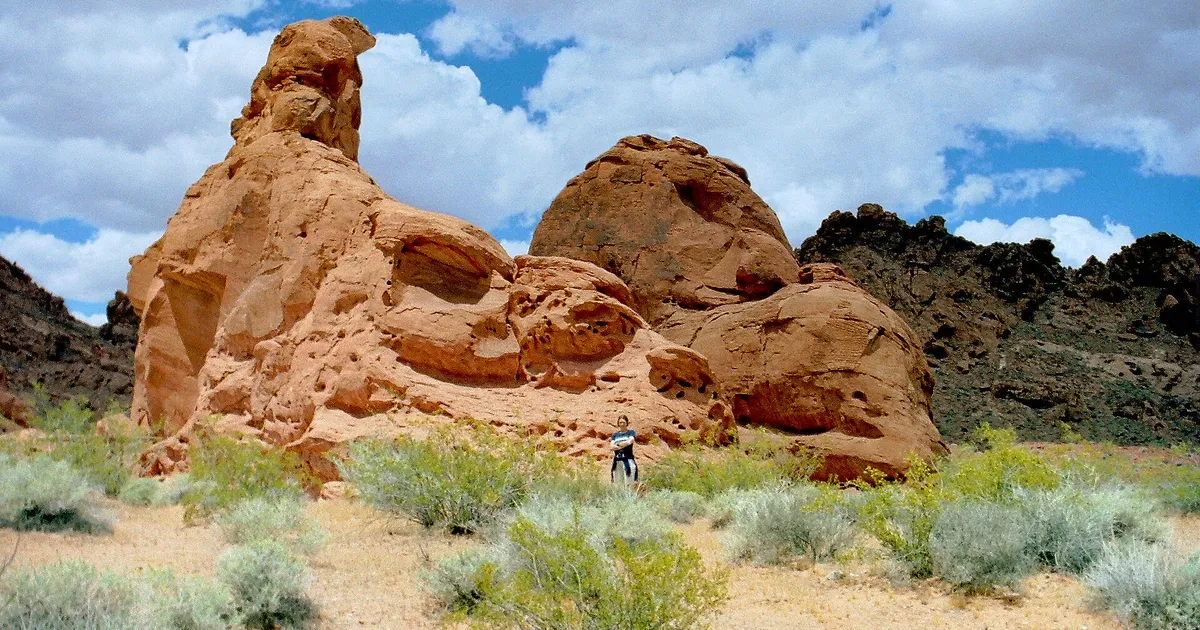
Pick Valley of Fire State Park for a shorter, easier outing from Las Vegas: about an hour’s drive to bright red rock, roadside viewpoints, petroglyphs and short walks. Pick Zion National Park for a full day inside a deep sandstone canyon with a river, bigger walls and more trails, about two and a half to three hours each way. In winter both work well, but Valley of Fire is closed to all visitors from December 1 to 14, 2026, and Zion needs planning around its shuttle dates.
Check Availability
The two parks often sit on the same Las Vegas wish list, but they are different trips. Valley of Fire is a compact Nevada state park where a short scenic road links one photogenic formation to the next. Zion is a much larger national park in southwest Utah, with towering cliffs, a deeper canyon and a wider range of trails. Choose by how much time you have, whether you want to hike, and how you feel about a long day in a vehicle.
Winter 2026–27 dates to know (as of November 2026): Nevada State Parks has scheduled Valley of Fire’s annual maintenance closure for Tuesday, December 1, through Monday, December 14, 2026, with the park reopening on Tuesday, December 15. Separately, the west entrance is closed Monday to Thursday for construction that started on August 3, 2026 and is expected to continue through the end of 2026; on those days you enter from the east. Check the official Valley of Fire page and the west entrance notice before you go. Zion’s shuttle schedule also changes over the holidays.
Zion and Valley of Fire compared for a day from Las Vegas
| Question | Zion National Park | Valley of Fire State Park |
|---|---|---|
| Where is it? | Southwest Utah, beside Springdale | Southern Nevada, northeast of Las Vegas |
| Typical drive from central Las Vegas | About 2.5–3 hours each way to the Springdale entrance | About an hour each way to the west entrance; longer via the east entrance |
| Time to allow | A full day; a night nearby is better | A half day to a full day |
| Signature scenery | Huge canyon walls, the Virgin River, towering sandstone | Bright red and striped rock formations, desert views, petroglyphs |
| For non-hikers | Scenic stops by canyon shuttle or car, depending on dates | Very good: many short stops beside the road |
| Hiking | Short riverside walks up to demanding major hikes | Short desert trails among the formations; access varies |
| Winter weather | More chance of cold and ice in shaded canyon areas | Usually milder at its lower desert elevation, though cold spells happen |
| Parking and access | Can be difficult; seasonal shuttle rules apply | You drive between viewpoints; designated parking only |
| Entrance fee (private vehicle) | $35 for up to seven days, plus $100 per person for non-US residents aged 16 and over | $10 for a Nevada-plated vehicle; $15 for a non-Nevada vehicle |
| December 1–14, 2026 | Open, weather and conditions permitting | Closed to all visitors |
| Best choice for | A memorable full day in a national park | A shorter, easier desert outing from Las Vegas |
Drive times are estimates. They depend on your hotel, the entrance you use, traffic, weather and roadworks. Utah is one hour ahead of Nevada, so a Zion day loses an hour on the clock going out and gains it back coming home.
Which has better scenery: Zion or Valley of Fire?
Zion: towering cliffs and a deep canyon
Zion’s classic scenery is about scale. The sandstone walls rise on both sides while the Virgin River winds along the valley floor. Some viewpoints are beside the road; others take a short or a long walk. In winter you may see red rock with snow on the higher cliffs, depending on the weather.
Zion Canyon surrounds you more than it spreads out in front of you: the cliffs rise right beside the road and trails. That is why many first-time national park visitors find Zion worth the longer journey from Las Vegas.
If the main canyon is your priority, plan around access to Zion Canyon Scenic Drive. It is a different road from the Zion–Mount Carmel Highway, a separate scenic route that is usually open to private vehicles when road conditions allow. The Zion Scenic Drive in winter guide covers both.
Valley of Fire: colorful rock formations and easy photo stops
Valley of Fire is known for intense orange-red sandstone, striped rock layers, arches and odd shapes, and petroglyph sites. Instead of one big canyon, you move between separate formations and viewpoints, so the day works as a relaxed road trip with a different view at each stop.
Popular stops, when open and safe to reach, include:
- Atlatl Rock: a well-known petroglyph panel; you climb stairs to see it up close.
- Seven Sisters: a cluster of sandstone outcrops with an easy pull-off.
- Elephant Rock: a recognizable formation near the east entrance; the best angle takes a short walk.
- White Domes: colorful formations and a loop trail for visitors who want to hike.
- Fire Wave area: striking layered sandstone, subject to trail access rules and conditions on the day.
- Mouse’s Tank / Petroglyph Canyon: a short desert walk past rock art, where open.
For photography, you might prefer Valley of Fire even though Zion is bigger. The bold patterns, roadside viewpoints and low winter sun suit anyone who likes to stop often.
Verdict: Zion is the pick for canyon scale; Valley of Fire is the pick for a string of colorful, easy-to-reach desert formations close to the city. Each is worth the trip on its own terms.
Which is a better day trip from Las Vegas?
This is the comparison that matters most when you are planning from the Strip.
Choose Valley of Fire for a half-day trip
Valley of Fire makes more sense if you have a late breakfast booked, an evening show, or little energy for a long excursion. The drive is much shorter, so a few hours in the park still feel worthwhile.
A comfortable outing might include a couple of scenic stops, a short walk, time at the visitor center (open daily from 9 a.m. to 4 p.m.) and a picnic. The park itself is open from sunrise to sunset.
Choose Zion if this is your main outdoor day
From Las Vegas, Zion means a full day, with five to six hours of round-trip driving before any sightseeing. In return you get one of the best-known canyons in the US, short scenic walks and time to look around Springdale.
On a first visit, give Zion time beyond the visitor center; a rushed stop does not show what makes the park special. A night near Springdale gives you slack for short winter days, changing conditions and extra viewpoints.
If you only have four or five free hours, go to Valley of Fire when it is open. If you have a whole day and want a national park, go to Zion.
What is the weather like in winter?
Both parks can be enjoyable from November through February, but the weather and terrain differ.
Zion from November to February
Zion Canyon sits lower than the park’s high country, yet freezing nights and icy, shaded stretches of trail are real winter hazards. Snow is not guaranteed on the canyon floor; higher routes get more of it. After a storm, even a normally easy walk can turn slippery, so slow down and turn back where the path is iced over.
A sunny forecast in Las Vegas says little about Zion. Check the National Weather Service forecast for the park and the NPS current conditions page just before you leave. Our Zion weather by month page has the averages.
Valley of Fire from November to February
Valley of Fire sits low in the Mojave Desert, so winter is far more comfortable for walking than its very hot summer. Days can be cool or mild, with wind and cold mornings possible. Carry water even when the air feels cool, because desert sun and dry air still dehydrate you.
Winter is the season for the exposed desert trails: Nevada State Parks closes White Domes, the Fire Wave and several other trails every year from May 15 to September 30 because of the heat. Winter does not guarantee every trail is open, especially during construction or maintenance.
Winter month-by-month recommendation
| Month | Zion | Valley of Fire | Practical advice |
|---|---|---|---|
| November | Autumn turns to winter; cooler mornings | A very good month for desert sightseeing | Choose by the time you have; expect more visitors over Thanksgiving |
| December | Short days; icy paths at times; holiday shuttle changes | Closed December 1–14, 2026; a good month after it reopens | Plan Zion or another trip during the closure |
| January | Usually quieter outside the holidays | Cool desert hiking season | Good for flexible schedules and short walks |
| February | Days get longer; ice still possible | Good for scenic drives and desert trails | Leave room for weather delays and the Presidents’ Day weekend |
Valley of Fire’s December 2026 closure
Do not plan a Valley of Fire visit between December 1 and December 14, 2026. In a notice dated October 19, 2026, Nevada State Parks scheduled its annual maintenance closure for those dates. It covers all visitors, including people on foot, plus guided tours and other commercial activity, and no camping reservations are available. The park plans to reopen on Tuesday, December 15, 2026.
Older articles that describe Valley of Fire as open every day of the year do not reflect this closure, so go by the dated notice.
What can you do instead from December 1 to 14?
- Zion National Park: a good alternative if you can give it a full day and conditions allow.
- Red Rock Canyon National Conservation Area: closer to Las Vegas; check its own timed-entry rules and current access.
- Another short trip from Las Vegas: pick a different scenic outing instead of driving to Valley of Fire’s closed gate.
If Valley of Fire is your first choice, move your visit to December 15 or later, and check the entrance construction notice too.
West entrance construction: Nevada State Parks closed the west entrance Monday through Thursday from August 3, 2026, with work expected to continue through the end of the year. On those days, use the east entrance via State Route 169 or State Route 167; the west entrance stays open Friday to Sunday. The east approach is a longer drive from Las Vegas than the usual hour, so check the latest notice before you rely on that estimate.
Is Zion or Valley of Fire better for non-hikers?
Valley of Fire usually suits minimal walking better, provided it is open. You drive from one scenic parking area to the next and decide at each whether to step out for a photo or take a longer walk. Some stops, including the raised petroglyph panel at Atlatl Rock, involve stairs or uneven ground, so not every famous stop is fully accessible.
Zion also works well without strenuous hiking. The difference is logistics: when the shuttle runs, you need it to reach the inner canyon. At other times in winter, private cars are usually allowed on Zion Canyon Scenic Drive, but the road can close to cars for a while when parking fills or conditions require it.
For ideas, read Zion without hiking: scenic stops and winter drives and Zion Scenic Drive in winter.
Which is better for hiking beginners?
Both parks have short, fairly straightforward walks, so choose by the individual trail and the day’s conditions more than by the park’s name.
At Zion
Options include part of the paved Pa’rus Trail, or the Riverside Walk when it is open and conditions suit. Winter shade can leave wet pavement and stone slick. The Emerald Pools trails are rougher and can ice over; check current closures.
An easy summer walk can be a poor choice after freezing rain or snow. For trail-by-trail details, see easy Zion hikes in winter.
At Valley of Fire
Short trails among the sandstone are pleasant in the cool season. Desert walking often means soft sand, uneven rock, steps and no shade, and the park warns that its trails often feel much longer than their listed distance. Trail access can change.
If you have limited mobility, stick to the viewpoints with accessible facilities and ask the visitor center staff about current paths; a short trail is not always an easy one.
Which park is better with children?
For families staying in Las Vegas, Valley of Fire’s shorter drive is a big advantage. Young children often enjoy colorful rocks and short discoveries more than a long drive followed by an ambitious plan.
Zion is worth the extra time on the road when the canyon itself is the family priority and you are willing to build the day around breaks. Older children may enjoy the riverside trails and big viewpoints; younger ones do better with a flexible plan.
Choose Valley of Fire if: your children tire of long car rides, you prefer a few short stops, or you need to be back in Las Vegas by the afternoon.
Choose Zion if: you have a full day, your children like big landscapes, and you are happy to adapt walks to the weather and access rules.
For age-specific tips, see Zion with kids in winter.
Zion versus Valley of Fire: entrance fees and value
The two parks charge private vehicles in different ways.
- Zion: the National Park Service charges $35 per private vehicle, valid for seven days. Since January 1, 2026, non-US residents aged 16 and over also pay $100 per person, on top of the vehicle fee. Check the Zion fees and passes page before you go, and see our Zion entrance fees guide for passes and exemptions.
- Valley of Fire: Nevada State Parks charges $10 per Nevada-plated vehicle or $15 per non-Nevada vehicle for day use. Check the official park page before visiting.
Entrance fees are only part of the cost. Add fuel, rental car charges, meals and the hours you spend driving. For an international visitor, a carload to Zion can cost far more in fees than the same car at Valley of Fire, so add the surcharge for everyone aged 16 and over before you compare.
If you are considering a guided tour, compare the total price and what it includes, not just the starting rate. Check whether park admission, hotel pickup, meals, the guide and free cancellation are included. Tour operators pay commercial park fees under different rules from private visitors, so ask whether the $100 non-resident fee is covered or paid on the day.
Is it better to self-drive or book a guided tour?
Self-driving Valley of Fire
Driving yourself suits you if you want to choose the photo stops and set your own pace. Make sure your rental agreement allows the route, check the entrance restrictions for your day, and don’t plan on a rideshare home: Nevada State Parks warns that Uber and Lyft drivers are often unavailable for the return, which can leave you stranded in the park.
Without a car, a guided day is the practical option. The Valley of Fire State Park tour with deli lunch (4.8/5 from 890+ GetYourGuide reviews) runs from Las Vegas in groups of up to 13; check its stops and pickup points in the listing.
Self-driving Zion
Driving yourself gives you flexibility, especially if you stay overnight. On a single winter day from Las Vegas, though, it means five to six hours at the wheel, possibly icy roads, and shuttle and parking rules to work around.
Read the Las Vegas to Zion winter road trip guide before deciding.
Booking a Zion tour from Las Vegas
A guided tour takes the driving off your hands, which helps if you are new to Utah winter roads. Not every tour is low-walking, though. The Zion small-group tour with lunch (4.8/5 from 110+ reviews) includes hotel pickup, a deli lunch in the park and walks such as Canyon Overlook and the Riverside Walk, so check the stops, the walking involved, the pickup arrangements and what happens if a road or trail closes.
Browse our Zion tours from Las Vegas for current options and compare inclusions carefully; listings and availability change.
Can you visit Zion and Valley of Fire in one day from Las Vegas?
You can, but most first-time visitors are better off choosing one, especially in winter.
Adding Valley of Fire puts more driving into an already long Zion day, and the route between the two parks is not a quick hop. With short winter daylight, your sightseeing time disappears in the car, and you often end up with a rushed Valley of Fire photo stop and an incomplete Zion visit.
For a relaxed trip:
- Choose one park for a single day from Las Vegas.
- With two days, give one to each park, or stay near Zion overnight.
- If you want both in one day, use a route planner with live conditions, confirm both parks are open, and be ready to skip stops. Don’t assume a combined guided tour runs on your dates.
Suggested one-day winter itineraries
Option A: a relaxed Valley of Fire day
Only for dates when the park is open and an entrance is open on your day.
| Approximate timing | Activity |
|---|---|
| Morning | Leave Las Vegas after checking park status and which entrance is open |
| On arrival | Stop at the visitor center if open for current trail and road advice |
| Mid-morning | Visit two or three rock formations and designated viewpoints |
| Midday | Picnic or a short trail walk, depending on temperature and mobility |
| Early afternoon | One last viewpoint, then drive back to Las Vegas |
The park closes at sunset, so plan to drive out in daylight.
Option B: a full Zion day from Las Vegas
| Approximate timing | Activity |
|---|---|
| Early morning | Leave Las Vegas; remember Utah is one hour ahead |
| Mid-morning | Reach Springdale and Zion’s south entrance; check parking and shuttle status |
| Late morning | See the main canyon by shuttle or by car, depending on the date |
| Early afternoon | A short scenic walk or viewpoint, weather permitting |
| Mid to late afternoon | Start back with daylight and time to spare |
Zion’s winter shuttle varies by date. The NPS schedule for 2026–27:
| Dates | Zion Canyon shuttle |
|---|---|
| Through November 28, 2026 | Running |
| November 29 to December 25, 2026 | Not running |
| December 26, 2026 to January 2, 2027 | Holiday shuttle running |
| From January 3, 2027 | No shuttle until spring service resumes |
While the shuttle runs, private cars cannot drive Zion Canyon Scenic Drive. When it does not, private cars are usually allowed, but limited parking or road conditions can still close the road for a time. Check the official shuttle page before you set off, because schedules can change. Our Zion shuttle in winter guide has the details.
Who should choose which park?
| Traveler | Better fit | Why |
|---|---|---|
| First-time visitor who wants a famous national park | Zion | Signature canyon scenery and more to explore |
| Couple with only half a free day | Valley of Fire | Much shorter drive from Las Vegas |
| Photographer after vivid patterned sandstone | Valley of Fire | Many distinct rock formations |
| Photographer after towering canyon walls | Zion | Cliffs on both sides, the river, changing winter light |
| Family with young children | Usually Valley of Fire | Less driving; short stops are easy to adjust |
| Family planning a big outdoor day | Zion | More to see and do |
| Visitor who wants almost no walking | Often Valley of Fire | More roadside stops, when the park is open |
| In Las Vegas December 1–14, 2026 | Zion | Valley of Fire is closed |
| Worried about icy shaded trails | Often Valley of Fire | Lower elevation, though weather and trails still matter |
| Staying near Springdale | Zion | It’s on your doorstep, with more time in the park |
Frequently asked questions
Is Zion better than Valley of Fire?
For a full day in a national park with dramatic canyon scenery, Zion is the better choice. For a shorter, easier red-rock outing from Las Vegas, Valley of Fire usually is. Your schedule and interests decide it.
Is Valley of Fire worth visiting if I am already going to Zion?
If you have the time, yes. Its colorful formations and petroglyphs look nothing like Zion’s canyon. It is not worth it if squeezing it in cuts most of your Zion time.
Which is closer to the Las Vegas Strip?
Valley of Fire, by a wide margin: about an hour to the west entrance, against two and a half to three hours to Zion’s Springdale entrance. Allow longer Monday to Thursday while the west entrance is closed for construction.
Can I visit Valley of Fire in December 2026?
Not from December 1 through December 14, 2026, when Nevada State Parks has scheduled a full maintenance closure. The park is scheduled to reopen on December 15, 2026.
Is Valley of Fire open on Christmas Day?
Its normal hours are sunrise to sunset every day, and the December 2026 maintenance closure ends on December 14, well before Christmas. Still, check the park’s notices for holiday changes before you go.
Does Zion get more snow than Valley of Fire?
Yes, as a rule. Zion’s higher terrain and shaded canyon areas see more winter snow and ice. Valley of Fire is a lower desert park, but cold weather and the odd wintry day still happen.
Which is best in January?
Both are good in January. Pick Zion for its dramatic landscape and a full day out; pick Valley of Fire for less driving and sightseeing in a smaller area.
Can I see both parks without hiking?
Yes, if access and roads allow. Valley of Fire has several photo stops right by the road; at Zion you tour by shuttle or car, depending on the season. Some viewpoints in both parks still involve steps or uneven ground.
Do I need reservations for Valley of Fire?
No, Nevada State Parks says reservations are not required for day use. Check that the park and your entrance are open before you travel. Commercial tours have their own permits.
Do I need a reservation to enter Zion?
No general entry reservation is required, but you need to pay the entrance fee or hold a valid pass, and some activities need permits: Angels Landing, for example. The shuttle does not need a separate reservation.
What is the main winter problem with driving to Zion?
Several things stack up: a long drive, short daylight, possible ice on some roads and trails, and shuttle or parking rules that change by date. Check the forecast and park notices shortly before you leave Las Vegas.
Can I use Uber to visit Valley of Fire?
Only one way, and that is risky. Nevada State Parks warns that rideshare visitors can be stranded because return rides are often unavailable. Arrange your transport both ways in advance.
Does Valley of Fire have a shuttle like Zion?
No. The park runs no sightseeing shuttle; most people tour the viewpoints in their own car or on an organized tour.
Should I choose Zion or Valley of Fire for a winter sunrise?
Both can be beautiful. Valley of Fire opens at sunrise, so you can catch the first light at the viewpoints near your entrance. At Zion, whether you can reach a given viewpoint depends on roads, parking, the shuttle and trail conditions. Choose the exact viewpoint first, then the park.
Final verdict: which should you book from Las Vegas?
If you have one full winter day and want the most impressive canyon, choose Zion National Park. The long drive is the cost, but the scenery and variety make up for it. A tour makes sense if you would rather not drive back after a long day outdoors.
If you prefer a shorter scenic outing with outstanding red-rock photo stops, choose Valley of Fire, and check it is open on your date. In particular, don’t plan a Valley of Fire visit for December 1–14, 2026.
Still sorting out logistics? Browse our Zion tours from Las Vegas, check Zion winter driving conditions, or read the Zion without hiking guide.
Official sources
Check conditions again just before you travel.
- Nevada State Parks: Valley of Fire hours, entry fees, trail closures and visitor advice
- Nevada State Parks: December 1–14, 2026 maintenance closure
- Nevada State Parks: west entrance construction closure
- National Park Service: Zion Canyon shuttle system and winter schedule
- National Park Service: Zion fees and passes
- National Park Service: Zion traffic and parking
- National Park Service: Zion current conditions
See Zion Without Driving 320 Miles Yourself
Hotel pickup on the Strip, a small group capped at 13, two trails and lunch in the canyon. Free cancellation up to 24 hours before departure.
Check Availability & Book